Storage And Handling Of Peptides Aapptec

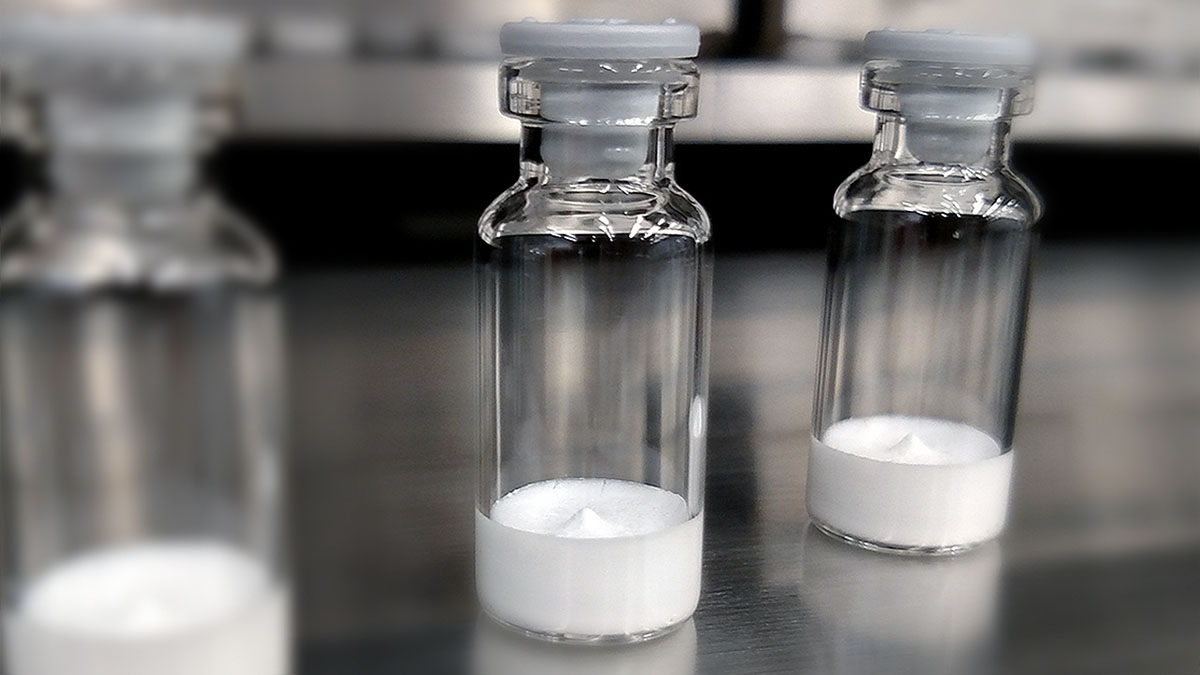
Peptide Vials Overview: Storage Space, Handling & Usage When preparing dilution collection, one shouldnever re-use pipette pointers to avoid cross-contamination. Pipette tips need to bepre-rinsed several times with the peptide option prior to aspirating the finalvolume. To lessen non-specific adsorption to the wall surfaces of storage space vessels, requirements of peptides should be included directly to the diluent liquid instead ofthe sides of the tubes or vials. Chromatographic carryover can beevaluated by infusing an empty example complying with a sample or calibrator.
Sophisticated Considerations For Knowledgeable Scientists
A lot of GH secretagogues liquify easily in bacteriostatic water without special treatment. Their stability in service ranges from great to superb, with reconstituted material staying practical for 4-8 weeks refrigerated. At minimum, clean your hands completely before handling peptide materials. This basic step lowers contamination danger significantly. However it needs to be done very carefully and with the appropriate precautions. Unopened, unpunctured peptide vials can often be saved at area temperature for a minimal time, relying on the specific peptide. However, for long-lasting storage, many peptides need to be cooled between 36 ° F to 46 ° F( 2 ° C to 8 ° C). Once it's time to make use of the peptide, reconstitution is executed to recover the peptide to a practical service Prior to adding any liquid, let your peptide vial reach room temperature. This takes roughly 15 minutes after removal from freezer storage, slightly much less from refrigeration. Reconstitution transforms your lyophilized peptide from secure powder into functional option.- The fresh made Aβ (25-35) and (1-40) are soluble in oxygen-free water.
- Shop at 2 to 8 ° C, keep tightly sealed, shield from light, and prevent contamination.
- Additionally, it's been observed in some researches that some peptides will even continue for more time at room temperature.
- Most reconstituted peptides maintain acceptable stability for 3-8 weeks at refrigerator temperature levels (2-8 ° C )when prepared with bacteriostatic water.
What counteracts peptides?
Salicylic acid''s exfoliating activity may undercut the peptides, reducing their skin-repairing advantages. Suggestion: To prevent any kind of interaction, usage salicylic acid and peptide items at different times. For instance, incorporate salicylic acid in your morning routine and peptides in your night regimen.